Conversation
Can people hear each other without strain?
Whisper
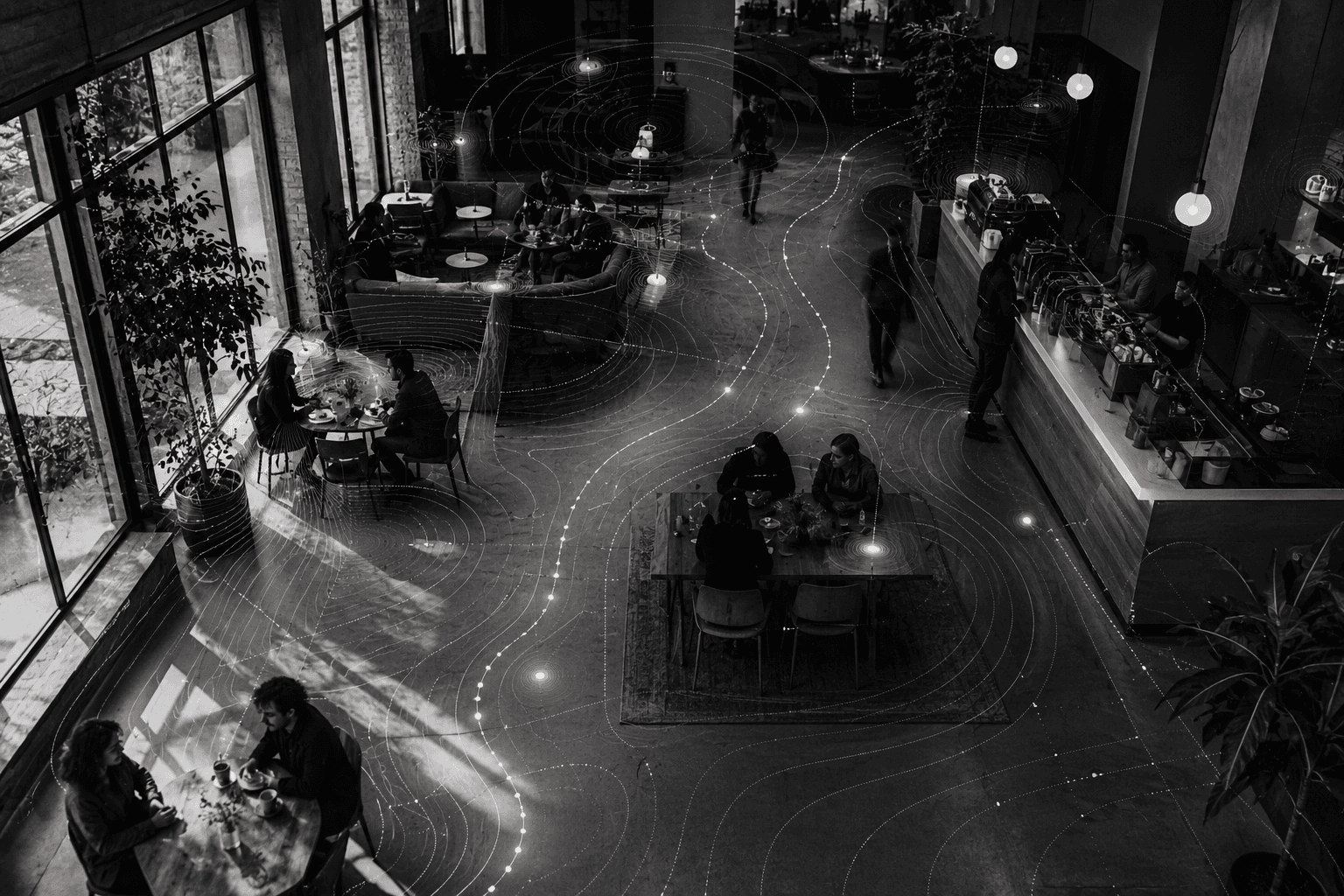
Whisper is an in-development AI-powered system that helps rooms understand how sound behaves and whether the room is supporting its purpose.
It studies environments, not private conversations.

The Problem
A room may look beautiful and still be hard to stay in.
Cafes, restaurants, church lobbies, workplaces, and shared spaces can all look intentional while creating strain, distraction, or conversation friction.
What Whisper Is Being Built To Do
Whisper is being designed around a simple idea: before a room can improve, it has to be understood.
Adaptation is part of the long-term product vision. Whisper is currently in development.
Why Sound Comes First
Sound shapes whether people can talk, listen, focus, pray, rest, eat, wait, work, or stay. The goal is not silence everywhere; it is sound that fits the room's purpose.
When the sound of a room works against its purpose, people may not know exactly what is wrong. They only know the room feels harder to inhabit than it should.
How Field Work Builds Whisper
Whisper cannot be built from theory alone. It needs real rooms, real operators, and real patterns of use.
For now, Sound & Presence Audits are the field path: useful for operators today and grounding the product in what real rooms reveal.
Quick Clarity
Not yet. Whisper is in development.
The goal is environmental understanding, not private conversation capture. The Quiet Company is focused on how spaces behave, not on extracting personal conversations.
No. Whisper is a technology path for environmental intelligence beginning with sound. Licensed acoustic engineers, architects, AV specialists, or contractors may still be needed for technical, construction, code, or installation work.
Start With A Real Room
If you operate a Greater Seattle Area space, an audit can help you understand the room now while contributing to Whisper's development.